Chemoxy Joint Filling and Floor Repair
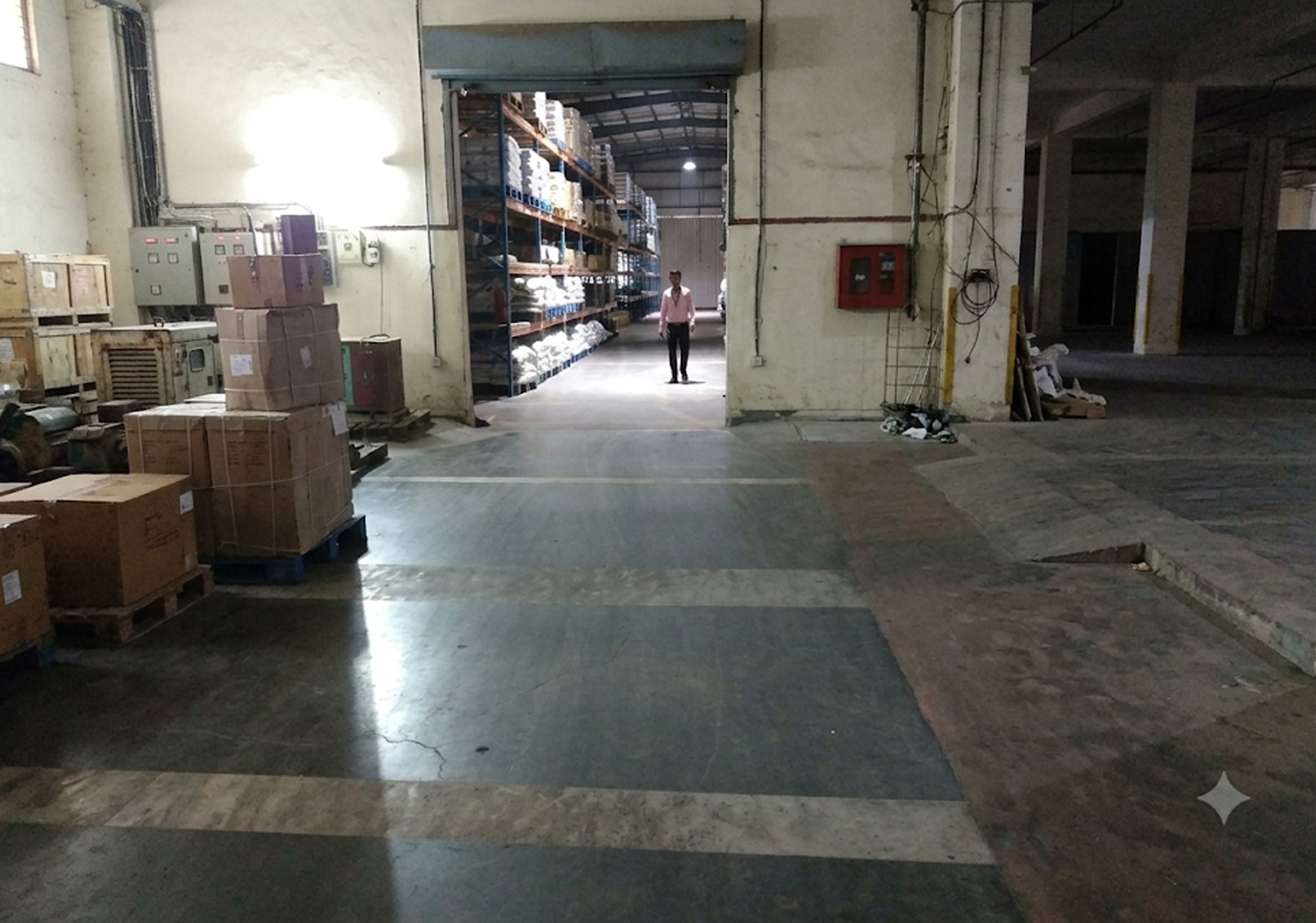
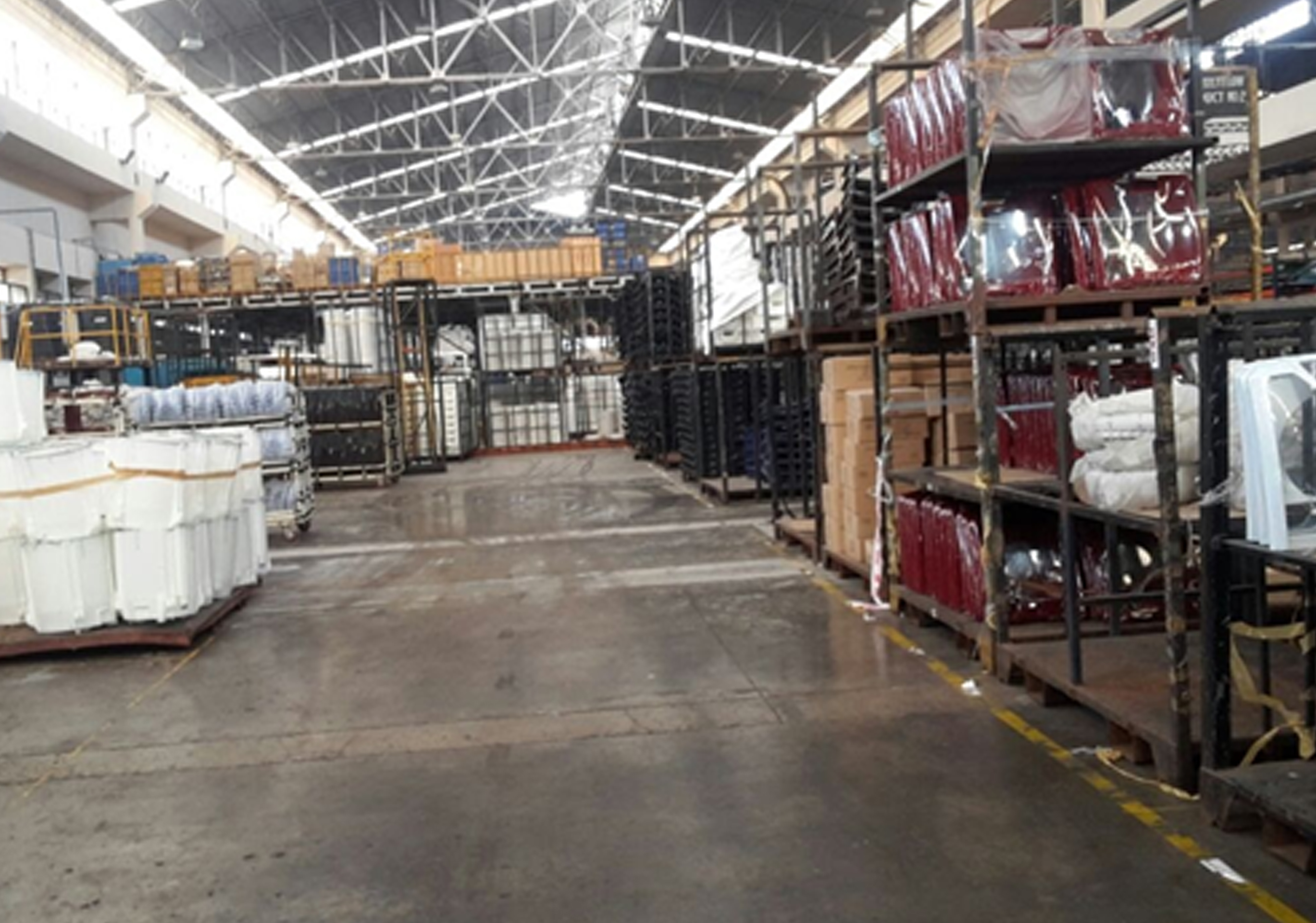
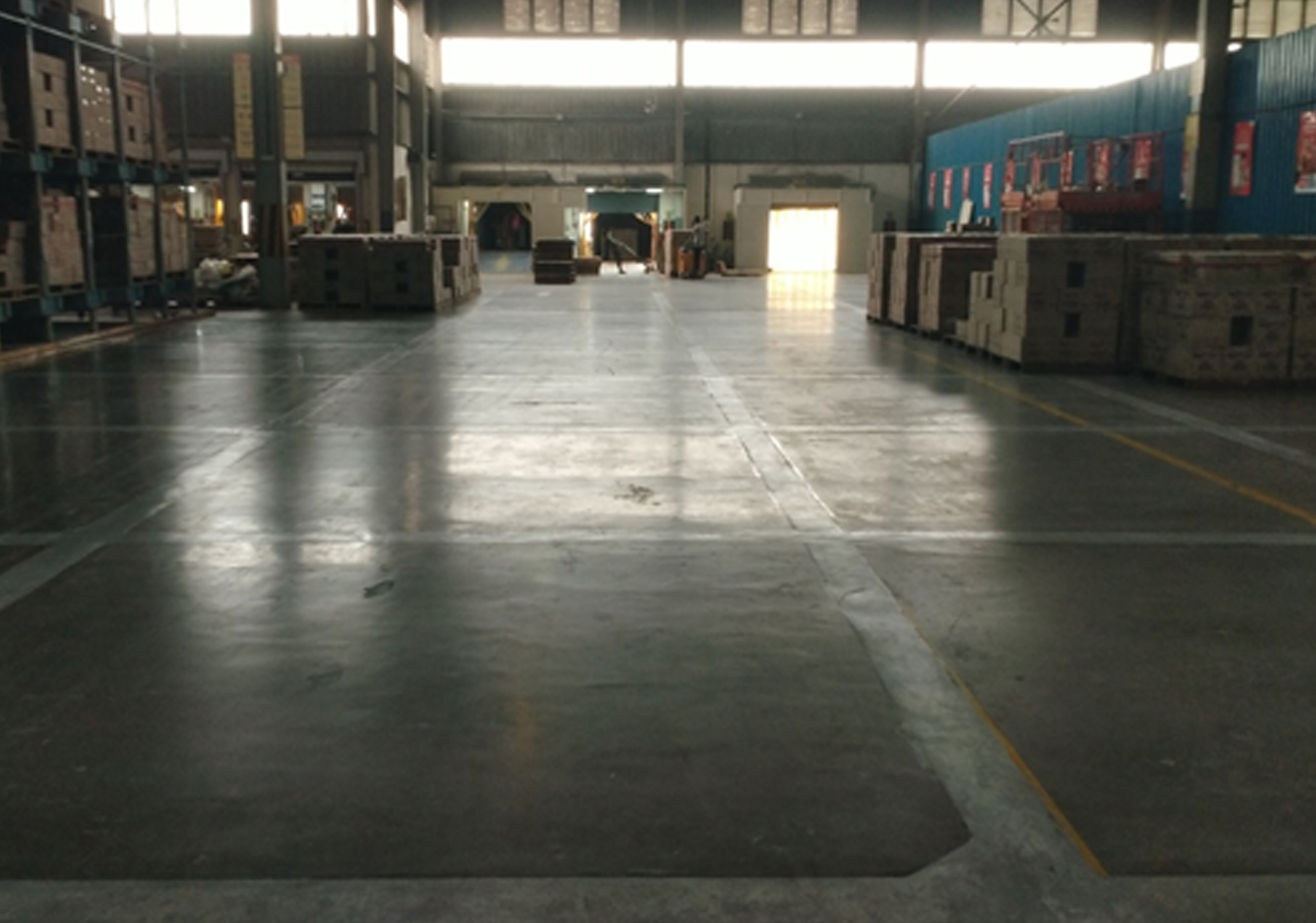
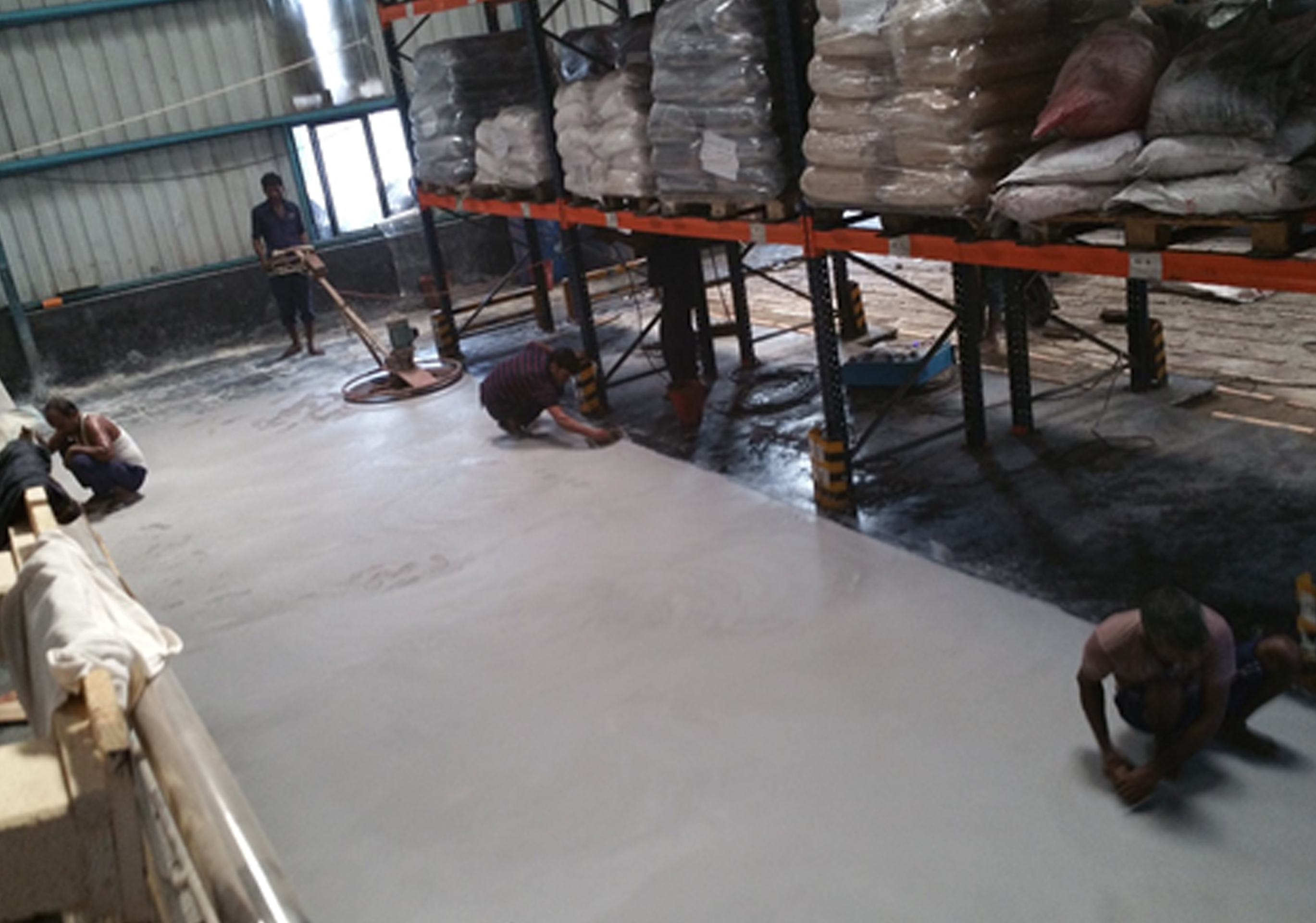
Expert Solutions for Damaged Industrial Floors, Cracks and Deteriorated Flooring
Industrial floors are continuously exposed to heavy machinery, trolley and forklift movement, impact, vibration and everyday operational stress. Over time, these conditions can cause floor cracks, surface deterioration, broken edges, damaged patches and expansion joint failures. Such defects can affect workplace safety, housekeeping and the smooth movement of industrial equipment.
Chemoxy Floorings provides specialized flooring repair, industrial floor restoration, expansion joint repair and damaged floor resurfacing solutions for factories, warehouses, workshops and commercial facilities across India.
With experience in industrial flooring since 1997, Chemoxy Floorings offers application-specific flooring solutions designed to restore damaged surfaces, improve floor durability and extend the service life of suitable existing floors.
Our Industrial Flooring Repair Services :
1. Industrial Floor Crack Repair :
Cracks in factory floors can develop because of substrate movement, shrinkage, thermal changes, structural settlement or mechanical stress. Effective repair begins with identifying the cause and determining whether the crack is stable or active.
Stable, non-moving cracks may be suitable for an appropriate repair system. Active cracks require a solution that accommodates the continuing movement rather than simply covering the defect.
2. Expansion Joint Repair and Restoration :
Expansion joints are essential in industrial flooring because they accommodate movement caused by temperature variations, structural changes and other stresses. Over time, joint edges may break, joint fillers may deteriorate, and existing joint materials may become loose or damaged.
Chemoxy Floorings provides assessment and repair solutions for deteriorated floor areas around expansion joints. Damaged edges can be reinstated using a suitable repair material, while the joint itself must be restored with an appropriate movement-accommodating joint system.
3. Damaged Factory Floor Repair :
Industrial flooring may suffer from broken patches, surface wear, localised depressions, damaged edges and deterioration caused by regular operations. Depending on the extent of the damage, repairs may involve removal of unsound material, substrate preparation, compatible patching and application of a suitable resurfacing system.
4. Old Industrial Floor Resurfacing :
Replacing an entire industrial floor can involve substantial expenditure, production disruption and downtime. Where the existing substrate is structurally sound, resurfacing may provide a practical alternative to complete floor replacement.
Chemoxy Floorings evaluates existing cementitious and other suitable hard surfaces to determine whether localised repairs, overlay systems or a new flooring finish are appropriate.
Why Choose Chemoxy JF & Floor Repair Compound for Suitable Repair Applications?
Chemoxy JF & Floor Repair Compound offers several characteristics that can make it suitable for selected indoor industrial applications.
-
Hard, durable surface : Appropriate formulations can provide a robust flooring finish for industrial use.
-
Seamless resurfacing potential : A suitable system can provide a continuous finish across repaired areas, subject to the existing joint layout.
-
Industrial suitability : Can be considered for selected factories, workshops, warehouses and manufacturing facilities.
-
Localised restoration : Repairing damaged sections may avoid unnecessary replacement of otherwise serviceable flooring.
-
Application-specific solutions : Repair methods can be selected according to the type of damage, substrate condition and expected traffic.
The performance of a repaired floor depends on the original substrate, the condition of the surrounding flooring, the repair materials, installation quality and operating conditions.
Expansion Joint Repair in Factories and Warehouses :
Expansion joint damage is a common maintenance concern in industrial buildings. Forklifts, pallet trucks and heavy equipment repeatedly cross joints, placing stress on joint edges and joint-filling materials.
Common Expansion Joint Problems :
-
Broken or spalled concrete edges
-
Cracked flooring alongside joints
-
Loose, missing or deteriorated joint filler
-
Uneven transitions affecting trolley and forklift movement
-
Repeated damage to previously repaired joint areas
-
Dust generation and housekeeping difficulties around damaged joints
Our Approach to Expansion Joint Repair :
Step 1: Inspection and assessment :
The existing joint, adjacent floor, substrate condition and traffic requirements are examined to identify the likely cause of failure.
Step 2: Removal of damaged material up to 6” to 9”inch wide and 25 mm thick :
Loose, cracked or unsound material is removed as required to provide a stable base for the repair.
Step 3: Substrate and edge preparation :
The repair area is cleaned and prepared. Damaged edges are reinstated using a repair material suitable for the expected loading and service conditions.
Step 4: Joint reinstatement :
The correct joint-filling or joint-filling system is selected according to the joint type and anticipated movement. Structural movement joints must remain functional.
Step 5: Flooring finish and inspection :
Adjacent flooring is reinstated and finished appropriately, with attention to surface level, safe transitions and suitability for the intended traffic.
Applications Across Industrial and Commercial Facilities :
Chemoxy Floorings offers industrial flooring assessment and repair solutions for suitable applications in :
-
Manufacturing plants and engineering units
-
Automobile and automotive component factories
-
Warehouses and distribution centres
-
Pharmaceutical and packaging facilities
-
Printing and processing industries
-
Industrial workshops and maintenance areas
-
Commercial buildings with suitable flooring substrates
-
Facilities requiring localised floor restoration and expansion joint maintenance
The recommended repair system depends on the facility's operating conditions, moisture exposure, chemical contact and mechanical loading.
Why Choose Chemoxy Floorings for Industrial Floor Restoration?
Chemoxy Floorings specialises in industrial flooring solutions, including Chemoxy OSR Flooring, Chemoxy WR Flooring and Epoxy/PU flooring systems.
Our approach focuses on identifying the flooring problem, assessing the existing substrate and recommending a suitable solution based on the application's technical and operational requirements.
Whether your facility requires expansion joint restoration, factory floor crack repair or industrial floor resurfacing, Chemoxy Floorings can help you evaluate the available options.
Contact Chemoxy Floorings for Floor Repair and Resurfacing :
Looking for industrial floor crack repair, expansion joint repair or damaged factory floor restoration in India?
Contact Chemoxy Floorings to discuss your flooring problem and arrange an assessment of the existing floor.
