Industrial Floor Repair & Warehouse Floor Repair
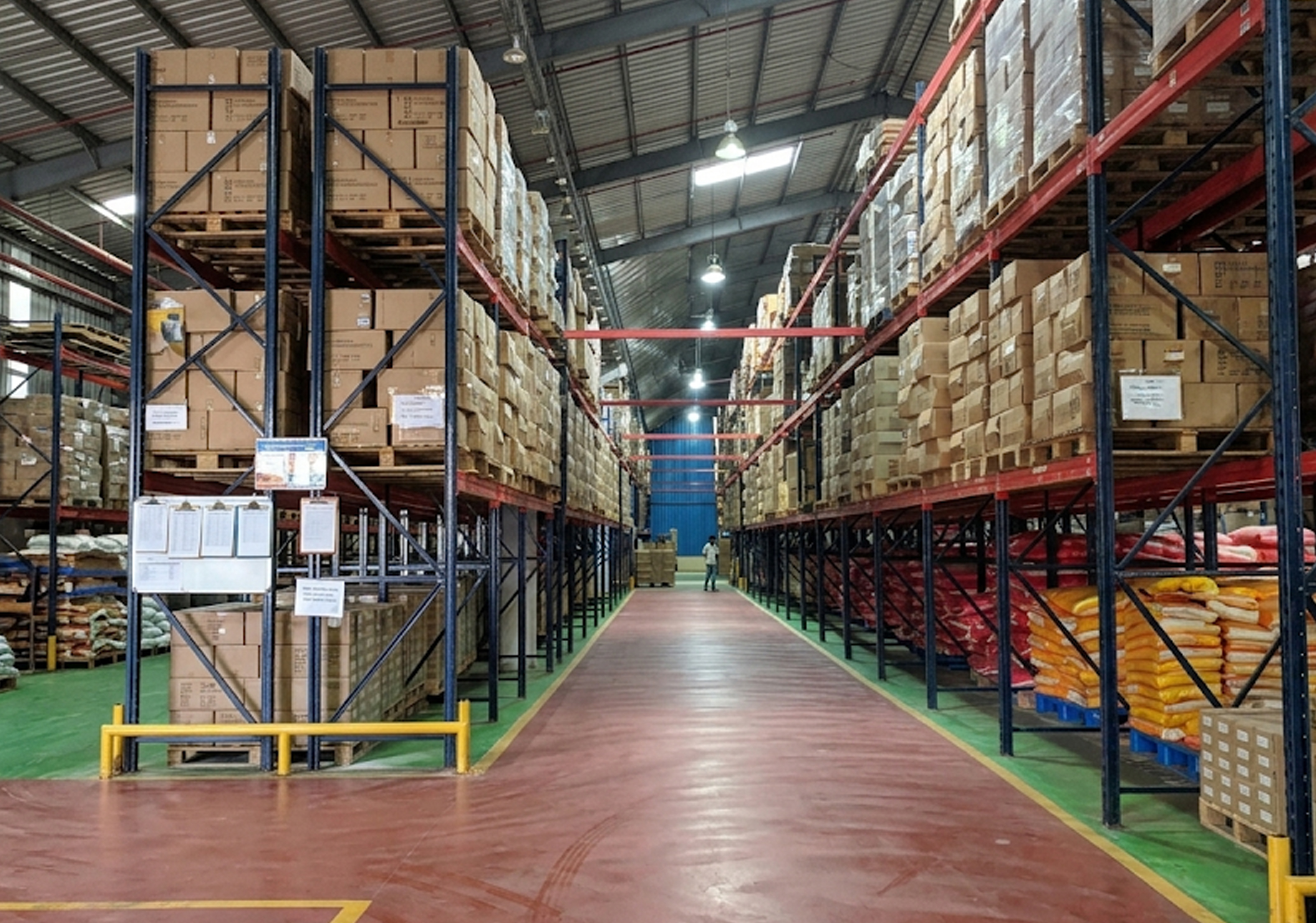
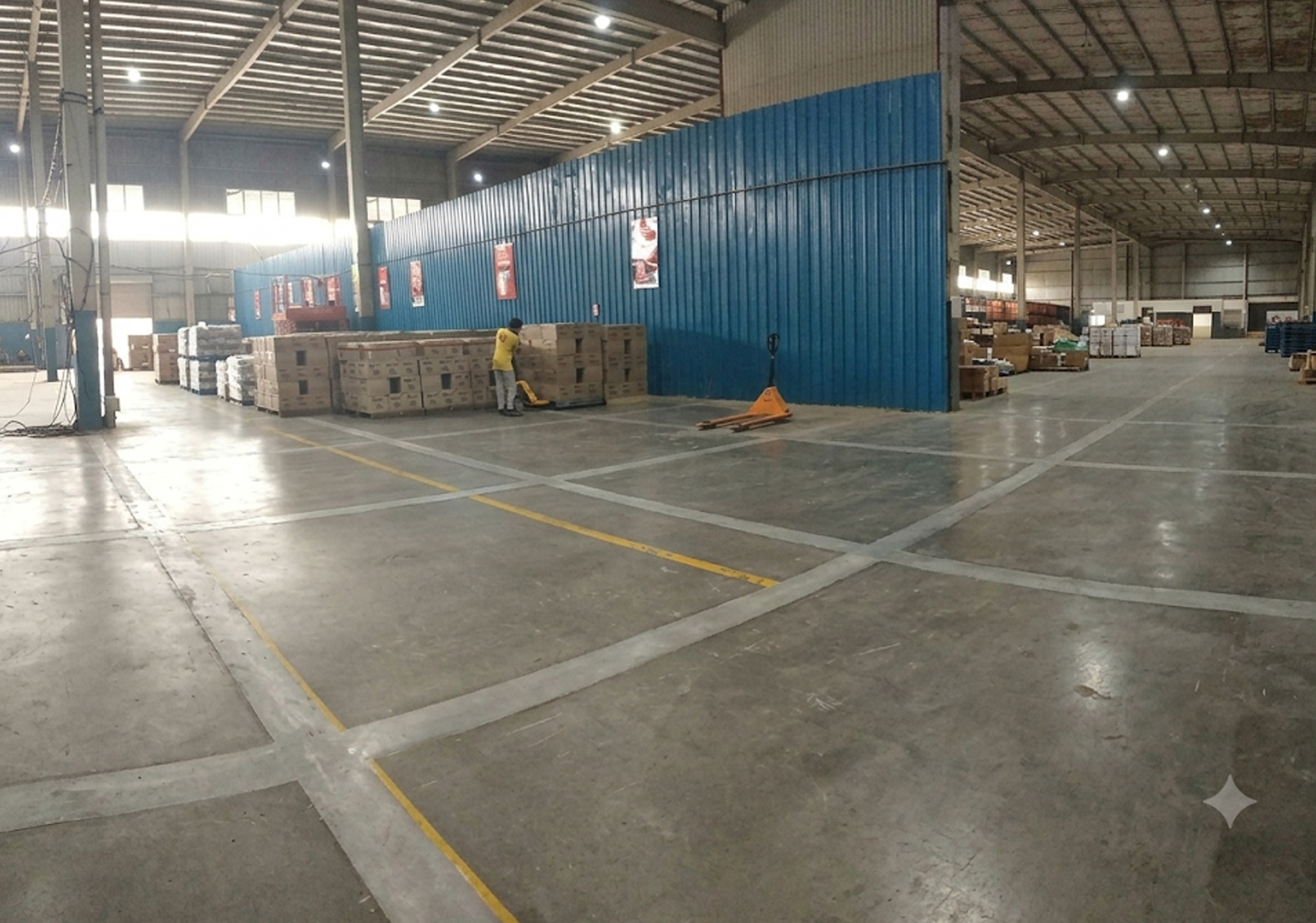
Professional Industrial Floor Repair, Concrete Floor Restoration & Warehouse Flooring Solutions
Damaged industrial floors can affect productivity, material movement, workplace safety, housekeeping, and maintenance costs. Chemoxy Floorings provides industrial floor repair and warehouse floor repair solutions designed to restore the functionality and durability of existing floors in factories, warehouses, manufacturing plants, and commercial-industrial facilities across India.
Whether your floor has developed cracks, surface deterioration, concrete dusting, potholes, uneven patches, or damage caused by forklift traffic and industrial operations, selecting the right repair method is essential for achieving reliable performance.
Chemoxy Floorings helps industrial facilities evaluate damaged floors and identify suitable repair, resurfacing, and flooring solutions based on substrate condition, operational requirements, traffic intensity, and environmental exposure.
Need industrial floor repair or warehouse floor renovation? Contact Chemoxy Floorings to discuss your project requirements.
Industrial Floor Repair Solutions by Chemoxy Floorings :
Industrial floors are subjected to demanding conditions, including heavy machinery, forklift movement, pallet trucks, material handling, impact, abrasion, and chemical exposure. Over time, these conditions can cause deterioration of the concrete surface and localised damage.
Chemoxy Floorings offers flooring solutions for industrial facilities requiring assessment, repair, restoration, and resurfacing of existing floors.
Our industrial flooring solutions can be evaluated for :
-
Factory floor repair and renovation
-
Warehouse concrete floor repair
-
Damaged industrial concrete floor restoration
-
Pothole and localised floor damage repair
-
Concrete floor resurfacing
-
Cracked and deteriorated floor treatment
-
Dusting and surface wear correction
-
Industrial floor levelling and surface improvement
-
Forklift and pallet truck traffic areas
-
Oil-resistant and solvent-resistant flooring requirements
The appropriate repair method depends on the severity of the damage, concrete condition, load requirements, moisture, chemical exposure, and expected service life.
Warehouse Floor Repair Services in India :
Warehouse floors must provide a suitable surface for storage systems, forklifts, pallet trucks, loading operations, and continuous movement of goods. Damaged or uneven flooring can interfere with material handling and increase maintenance requirements.
Chemoxy Floorings helps warehouse operators assess damaged flooring and identify appropriate repair or resurfacing options.
Common Warehouse Floor Problems We Address :
-
Warehouse Concrete Floor Cracks :
Cracks can develop due to shrinkage, settlement, structural movement, inadequate joint detailing, or excessive loading. The cause must be assessed before selecting a repair method. -
Potholes and Broken Concrete :
Repeated wheel loads, impact, and deterioration can create potholes and broken sections. Suitable repair materials and preparation methods help restore damaged areas. -
Forklift-Damaged Floors :
Forklift traffic can contribute to surface wear, localised concrete failure, joint deterioration, and damage at turning or loading points. Repairs should account for wheel loads and repeated traffic. -
Uneven Warehouse Floors :
Uneven patches, damaged joints, and surface irregularities can affect material movement and warehouse operations. Appropriate repairs can improve surface usability and regularity. -
Concrete Dusting :
Weak or deteriorated concrete surfaces may produce dust during routine operations. The cause should be identified before selecting a suitable treatment, densification method, or resurfacing system. -
Damaged Loading and Dispatch Areas :
Loading bays, dock approaches, and goods movement areas may experience impact, abrasion, and repeated loading. These zones may require specialised localised repairs. -
Worn-Out Warehouse Flooring :
Older warehouse floors may require repairs and resurfacing to support changing operational requirements and improve maintainability.
Factory Floor Repair and Industrial Concrete Restoration :
Manufacturing facilities require flooring that is suitable for their machinery, production processes, traffic patterns, and maintenance practices.
Chemoxy Floorings provides solutions for assessing and upgrading existing factory floors in suitable industrial environments.
Factory Floor Repair Applications :
-
Manufacturing and assembly plants
-
Engineering and automotive factories
-
Soap and detergent manufacturing units
-
FMCG and consumer goods production facilities
-
Industrial workshops
-
Packaging and dispatch areas
-
Process and material handling zones
-
Industrial storage and utility areas
Depending on the condition of the existing floor, the recommended work may involve localised concrete repairs, crack treatment, joint repairs, surface preparation, levelling, or application of a compatible industrial flooring system.
Our Industrial Floor Repair and Resurfacing Process :
-
Step 1: Floor Inspection and Damage Assessment :
We assess the visible damage, substrate condition, cracks, surface wear, moisture-related issues, traffic requirements, and operating environment. -
Step 2: Identify the Cause of Damage :
Cracks, potholes, dusting, and surface failure can have different causes. Identifying the underlying problem helps determine whether a local repair, joint treatment, resurfacing, or more extensive reconstruction is required. -
Step 3: Surface Preparation :
Loose concrete, weak material, contamination, and unsuitable coatings must be removed as required by the selected repair system. Correct preparation is essential for achieving reliable adhesion. -
Step 4: Concrete Repair and Joint Treatment :
Damaged sections and suitable joints are treated using compatible repair materials and methods. Active structural cracks and moving joints require appropriate specialist assessment. -
Step 5: Application of the Repair or Resurfacing System :
The selected material is applied according to the specified thickness, substrate conditions, application requirements, and curing instructions. -
Step 6: Curing and Return to Service :
The repaired area must be allowed to cure before reopening it to pedestrian traffic, forklifts, pallet trucks, heavy machinery, or chemical exposure. The permitted loading time depends on the repair system and site conditions.
Industrial Floor Repair vs. Complete Floor Replacement :
Not every damaged floor requires complete demolition. In suitable cases, localised repair or resurfacing can restore the functionality of the existing floor.
Industrial floor repair may be suitable when :
-
Damage is limited to specific areas.
-
The underlying concrete remains structurally sound.
-
Localised deterioration can be removed and repaired.
-
The existing floor can support the proposed repair or resurfacing system.
More extensive reconstruction may be necessary when :
-
The concrete has widespread structural failure.
-
There is significant settlement or ongoing movement.
-
The slab cannot support the intended operational loads.
-
Deterioration or moisture-related problems are extensive.
A site assessment can help determine the practical and economical approach for your facility.
Choosing the Right Industrial Floor Repair System :
The repair material should be selected according to the actual operating conditions rather than appearance alone.
Important factors include :
-
Load requirements : Static loads, wheel loads, point loads, and repeated forklift traffic.
-
Abrasion resistance : Wear caused by wheels, equipment, materials, and routine operations.
-
Impact resistance : Exposure to dropped goods, equipment movement, and mechanical impact.
-
Chemical resistance : Compatibility with oils, solvents, cleaning chemicals, and process substances.
-
Moisture conditions : Moisture in the concrete and exposure to water or washdown.
-
Repair thickness : The depth of damage and the minimum thickness required by the chosen system.
-
Return-to-service time : Required curing time before the area can be used again.
-
Substrate compatibility : Bonding and performance on the existing concrete or previous flooring system.
Chemoxy Floorings can evaluate the application requirements and recommend a suitable flooring approach for the project.
Chemoxy Flooring Options for Industrial Repair and Resurfacing :
Chemoxy WR Flooring :
Chemoxy WR Flooring can be evaluated for suitable heavy-duty industrial flooring applications where robust surface performance is required. Its suitability for an existing damaged floor depends on substrate preparation, the required application thickness, traffic loads, and installation conditions.
Chemoxy OSR Flooring :
Chemoxy OSR Flooring can be considered for suitable industrial environments where exposure to oils and selected solvents is an important concern. Chemical compatibility must be verified for the substances and exposure conditions present at the facility.
Magnesium Oxychloride Flooring :
Magnesium oxychloride flooring can be evaluated for suitable industrial applications requiring a specialised flooring surface. Moisture exposure, chemical conditions, substrate quality, formulation, and the specified protective treatment must be considered before selecting it for a repair or resurfacing project.
The appropriate system should be confirmed following a project-specific assessment. Not every flooring system is suitable for every type of concrete repair.
Industries We Serve Across India :
Chemoxy Floorings caters to industrial flooring requirements across a range of sectors, subject to project location and scope.
-
Warehousing and logistics : Storage areas, dispatch zones, and forklift routes.
-
FMCG manufacturing : Production, packaging, and material handling areas.
-
Soap and detergent plants : Industrial production areas exposed to relevant process chemicals.
-
Automotive and engineering : Workshops, manufacturing areas, and equipment zones.
-
Pharmaceutical facilities : Suitable areas subject to applicable hygiene and operational requirements.
-
Food processing : Appropriate zones where the selected system meets relevant hygiene and moisture requirements.
-
Chemical industries : Areas requiring flooring compatible with specified chemicals.
-
Industrial workshops : Floors exposed to repeated mechanical wear and impact.
Why Choose Chemoxy Floorings for Industrial Floor Repair?
-
Application-specific recommendations : Flooring options are evaluated according to the condition and requirements of the existing floor.
-
Repair and resurfacing focus : Flooring options are evaluated according to the condition and requirements of the existing floor.
-
Industrial environment understanding : Attention to traffic, loading, abrasion, chemical exposure, moisture, and maintenance needs.
-
Flooring system selection : Recommendations consider the compatibility of the proposed system with the existing substrate.
-
Project-oriented approach : Repair methods and installation schedules are considered in relation to the facility's operational requirements.
Frequently Asked Questions About Industrial Floor Repair
Q1 : How do you repair a damaged industrial concrete floor?
Q2 : Can warehouse floors be repaired without replacing the entire floor?
Q3 : What is the best solution for forklift-damaged warehouse floors?
Q4 : How do you stop concrete floor dusting in factories?
Q5: Can cracked factory floors be repaired?
Q6: How long does industrial floor repair take?
Q7: Is floor resurfacing cheaper than replacing a warehouse floor?
Q8: Does Chemoxy Floorings undertake industrial floor repair projects across India?
Contact Chemoxy Floorings for Industrial Floor Repair
Damaged factory floors and deteriorated warehouse flooring can affect operational efficiency and increase maintenance requirements. Selecting the right repair approach can help restore floor functionality and reduce avoidable disruption.
Contact Chemoxy Floorings to discuss your industrial floor repair, warehouse floor repair, concrete floor restoration, or factory floor resurfacing requirements.
Chemoxy Floorings — Industrial Flooring Solutions for Indian Factories and Warehouses.
Website : https://www.chemfloor.com
Contact our team with your site location, approximate floor area, photographs of the damage, and the type of traffic or loading involved to help initiate a project assessment.
